Cool Streets, Happy Steps

Step into a cooler city experience where comfort, safety, and delight coexist. We explore urban design strategies to increase pedestrian shade on city streets, translating science and street wisdom into practical moves cities can deploy quickly. Expect evidence, stories, and playful ideas you can champion with neighbors, planners, and officials to turn harsh glare into welcoming, dappled journeys all year.

Why Cooler Walks Change Everything

Heat now drives safety, health, and mobility more than many street debates admit. Shade lowers surface temperatures, reduces dehydration risk, and keeps vision clear at crossings. Add cleaner air near trees, fewer ultraviolet exposures, and calmer heart rates, and you get streets where walking feels doable, dignified, and pleasantly human again.

Trees That Outsmart Concrete

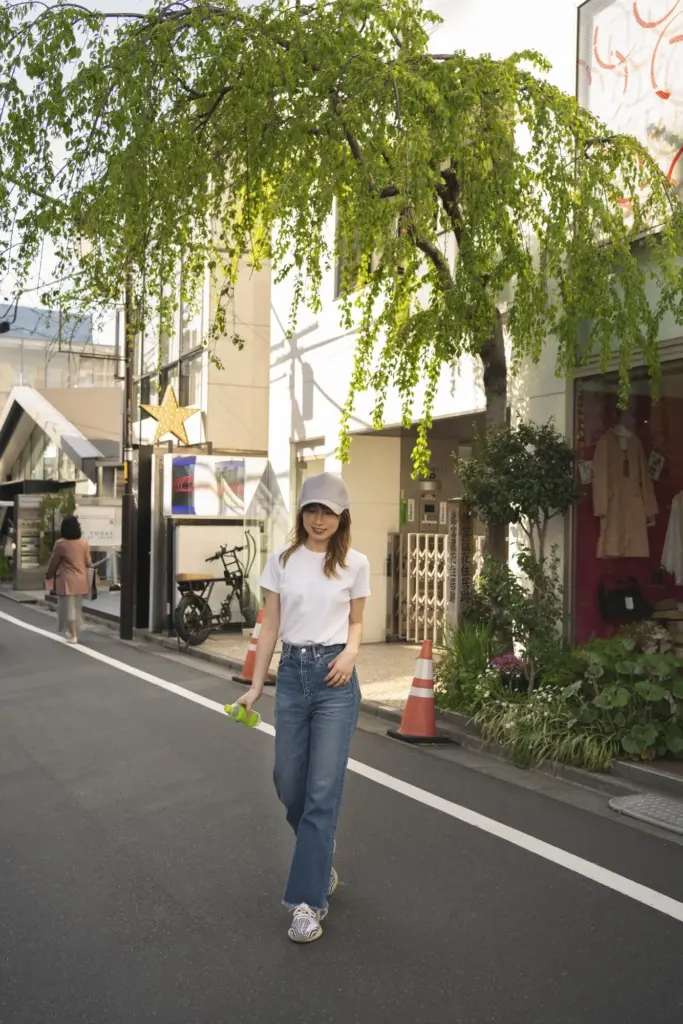
Street trees do far more than decorate. With the right species, generous soil, and smart placement, canopies stitch block to block, breaking sun angles through the day. Thoughtful selection resists drought, salt, and wind, while coordinated plantings frame storefronts, protect facades, and welcome walkers with patterned, living ceilings.

Awnings, Arcades, and Human-Scaled Edges

Continuous awnings protect windows and people, taming glare while cutting cooling loads. Arcades offer weatherproof strolling near shop windows, supporting retail resilience during heat waves. Prioritize head clearance, rhythm, and lighting that feels safe at night. Materials should be repairable, beautiful, and tuned to neighborhood character over time.

Setbacks, Overhangs, and Building Orientation

Street width to height ratios steer shadow paths through seasons. Incentivize recesses or pilotis where sidewalks narrow, and tune overhang depths to solar altitude. Orient entrances and queues toward cooler exposures. Coordinate with fire and accessibility standards so comfort gains never compromise safety or inclusive movement across blocks.

Lightweight Structures for Fast Relief

Pergolas, tensile sails, and modular shade frames deliver immediate comfort where trees cannot yet thrive. Use fire-resistant fabrics, wind-tested hardware, and quick-release fittings for storms. Empower communities to adopt segments, adding vines, murals, and lights. Pilot near schools, clinics, and markets, then iterate based on measured comfort feedback.

Materials That Keep Pavement Kind

Surface choices shape how heat dwells and radiates. High-albedo coatings, cool aggregates, and open-joint pavers change the feel underfoot and nearby. Pair reflectivity with shade to avoid glare. Add moisture pathways through permeable beds and trees to unlock evaporative cooling that makes long walks pleasantly possible.

Designing the Daily Route for Comfort

Shade works only when it aligns with real journeys. Audit paths from homes to bus stops, schools, markets, and clinics. Fill the harsh gaps first, then refine edges. Use desire-line observations to place cover exactly where feet pause, queue, cross, chat, and naturally choose to linger.

Street Canyons, Ratios, and Solar Angles

Model sun paths across seasons to understand when facades or trees cast relief. Target comfortable mean radiant temperature, not just air readings. Adjust lane counts, curb radii, and median widths to rebalance proportion. Even modest height increases along narrow streets can stretch morning and afternoon shade noticeably.

Shade Where Waiting Really Happens

People overheat while stationary. Focus generous canopies and shelters at bus stops, crosswalk refuge islands, ride-hail zones, and pickup areas outside schools. Add real-time information, seating, and lighting so safety and dignity accompany comfort. Pilot modular shelters that can shift as routes and ridership evolve.

Stitching Shade Islands into Networks

Short stretches of comfort fail if gaps scorch momentum. Create connected chains every hundred meters with wayfinding to the next cool spot. Use parklets, midblock crossings, and planted bump-outs as links. Evaluate continuity using pedestrian diaries, sensors, and comfort indices that reflect how bodies actually feel.

From Plan to Practice with People

This work succeeds through collaboration, not wish lists. Blend data with neighborhood stories, align maintenance responsibilities before ribbon cuttings, and fund life-cycle costs. Seek quick pilots alongside durable investments. Celebrate progress publicly to build momentum, and invite readers to comment, share experiences, and subscribe for field-tested updates.