Neighbors Chart the Shade to Build Heat-Resilient Streets
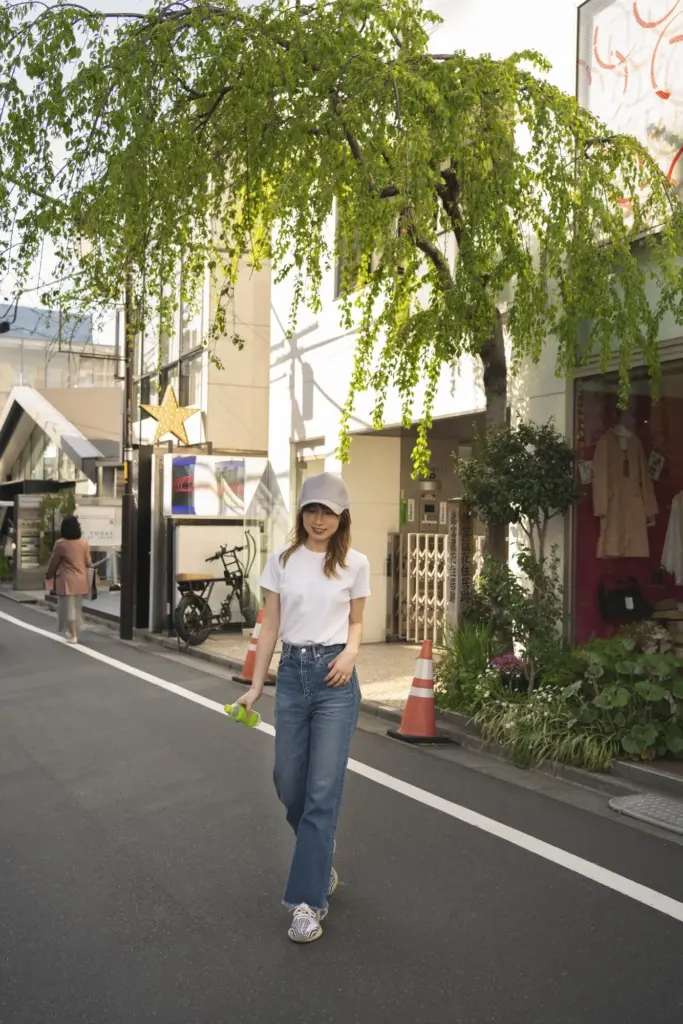
Today we focus on community-led shade audits and neighborhood heat resilience, inviting residents to walk their blocks, map where shadows fall, and identify where heat concentrates. Together we translate lived experience into practical action, turning observations into cooling trees, smarter materials, safer bus stops, and policies that protect health during longer, hotter summers.
Organizing the Walk: From Idea to Street-Level Audit
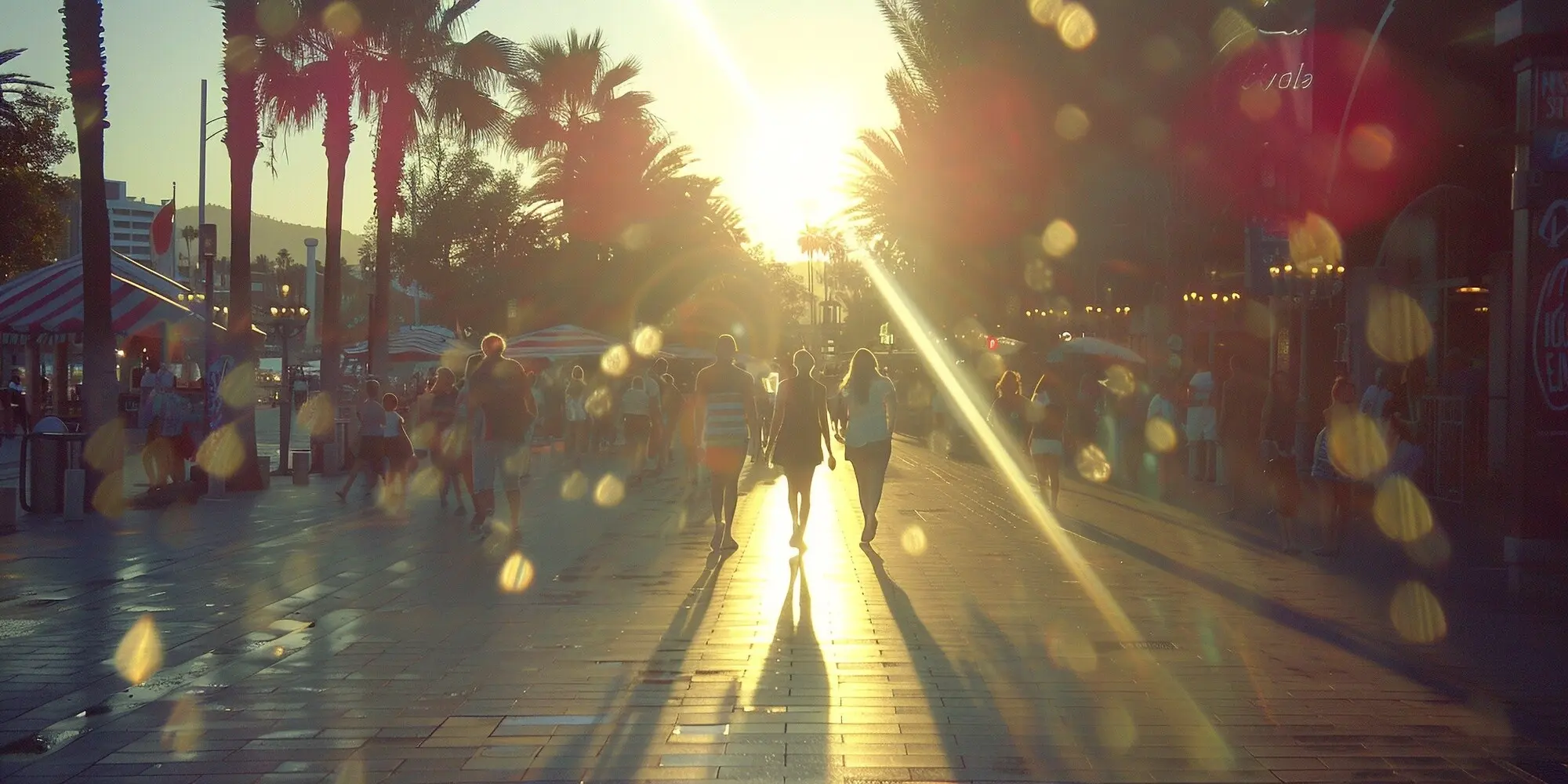
Start with a simple plan that centers local knowledge and practical steps. Pick representative routes, set times that capture different sun angles, and recruit neighbors who know shortcuts and hot corners. Clear roles, shared safety guidelines, and transparent goals transform a casual stroll into evidence residents can use to win cooling investments.
Listening to Lived Heat Experiences
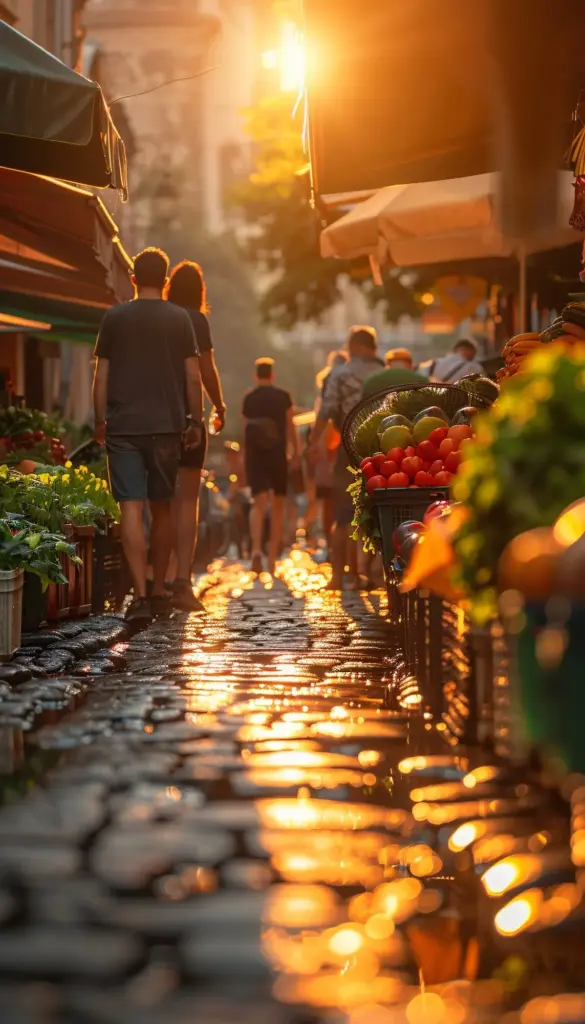
Numbers explain patterns, but stories explain stakes. Invite parents, street vendors, delivery drivers, and elders to describe where afternoons feel unbearable, where dizziness starts, and where relief appears. Respectful listening sessions turn scattered memories into a map of harm, urgency, and opportunity that complements quantitative measurements with human context.

From Findings to Fixes: Prioritizing Cooling Interventions
Translate audit notes into a clear shortlist of site improvements, balancing quick wins with durable solutions. Consider heat exposure, vulnerable populations, cost, maintenance, and co-benefits like traffic calming or stormwater capture. A transparent scoring matrix helps neighbors, planners, and funders see why certain blocks rise to the top today.
Trees That Thrive: Planting, Care, and Community Stewardship
Planting is a celebration; stewardship is a commitment. Choose species that love local soils, tolerate drought, and resist pests. Plan watering schedules before shovels hit dirt. Pair municipal crews with neighborhood stewards, youth teams, and building owners, so every sapling has guardians through summers, school breaks, and funding cycles.
Cool Surfaces and Smarter Streets
Pavements, Paints, and Roofs That Beat the Heat
Consider cool pavement coatings and higher-albedo roofing where context fits, noting maintenance and glare. Combine with permeable pavers that reduce surface temperatures and manage stormwater. Pilot small areas, monitor temperatures, and survey users on comfort. Blend materials strategically with shade structures to multiply benefits without unintended consequences.
Transit Stops People Actually Enjoy
Prioritize shelters where ridership is high and waits are long. Add shade canopies, misting fans where feasible, seating with backrests, and heat-warning signage. Plant fast-growing trees behind shelters to reduce afternoon glare. Coordinate with transit agencies for maintenance, lighting, and safety so comfort and reliability always rise together.
Street Geometry That Cools and Calms
Narrow excessive lanes to add tree beds, bioswales, and bulb-outs that slow traffic and create shaded islands. Encourage reflective, vegetated medians over bare asphalt. Align seating with prevailing breezes, and break wind tunnels with staggered plantings. These human-scale tweaks reduce heat stress while improving safety and social life.
Sensors, Surveys, and Seasonal Repeats
Mount low-cost loggers at eye level, record surface temperatures at set times, and log shade extent with repeat photos. Ask residents about sleep quality, outdoor time, and utility bills. Seasonal comparisons show whether cooling holds, where maintenance slipped, and which interventions deserve expansion across similar blocks.
Transparent Maps People Can Use
Publish simple, mobile-friendly maps marking cooler corridors, newly shaded benches, and planned plantings. Include contact buttons to report issues or volunteer. Layer photos and short quotes so data feels human. When neighbors can point to progress on their phones, participation rises and partnerships become easier to secure.