
Phoenix: Planting for Peak Heat and Daily Life
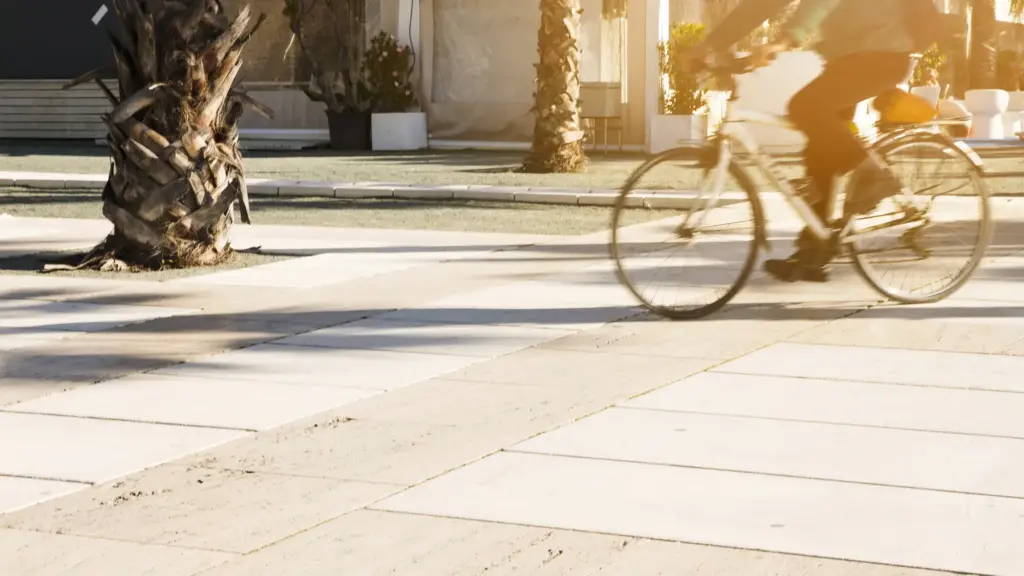
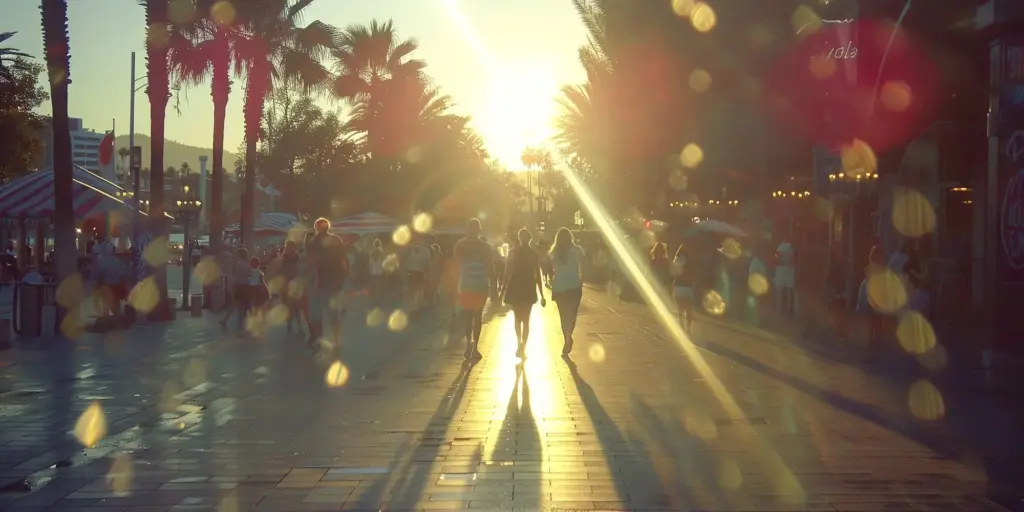
Phoenix pairs canopy expansion with practical wayfinding, steering walkers along cooler alignments that connect transit, clinics, and workplaces. Water‑wise species and smart irrigation keep trees thriving through punishing summers. Businesses add awnings to extend usable frontage, while residents volunteer for shade counts and watering shifts. The cumulative effect is tangible: more midday errands on foot, less heat stress at bus stops, and a growing belief that shade is not a luxury but essential urban infrastructure worth caring for together.
Singapore: Sheltered Linkways as Everyday Comfort
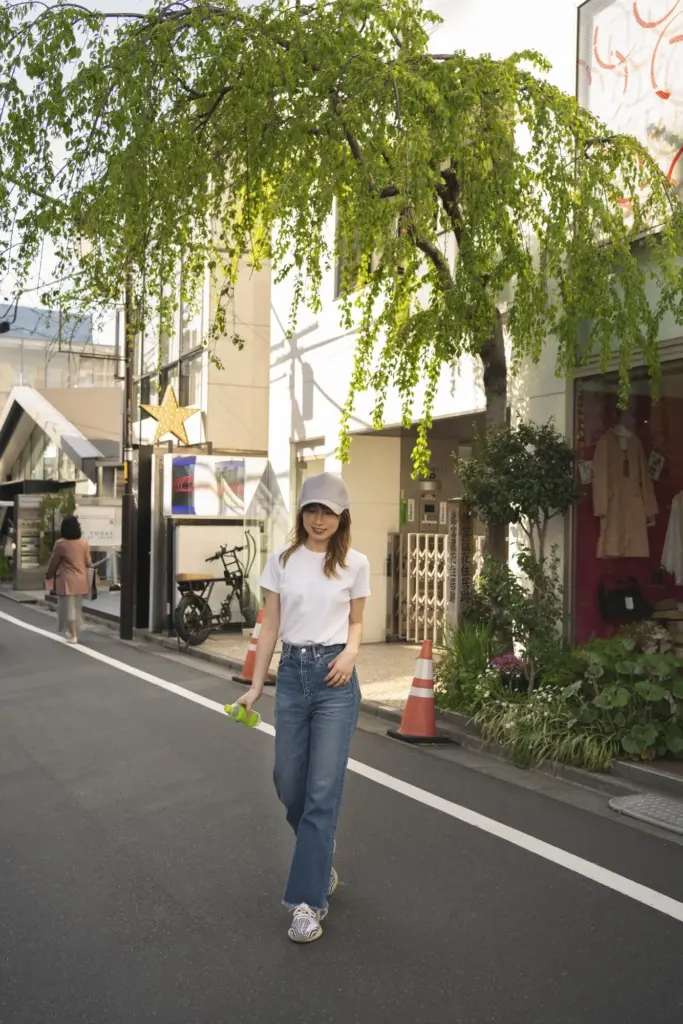
In humid heat, rain and sun compete to disrupt trips. Singapore’s sheltered linkways bridge this by delivering continuous cover between stations, markets, and housing. The consistent profile normalizes shade as a default street feature, while lush roadside trees amplify cooling with evapotranspiration. Wayfinding signage, lighting, and barrier‑free design support seniors and children, proving that reliability invites walking even when the air feels heavy. The system’s predictability builds trust, reducing exposure peaks and smoothing daily routines in challenging weather.

Bologna: Lessons from Centuries of Porticoes
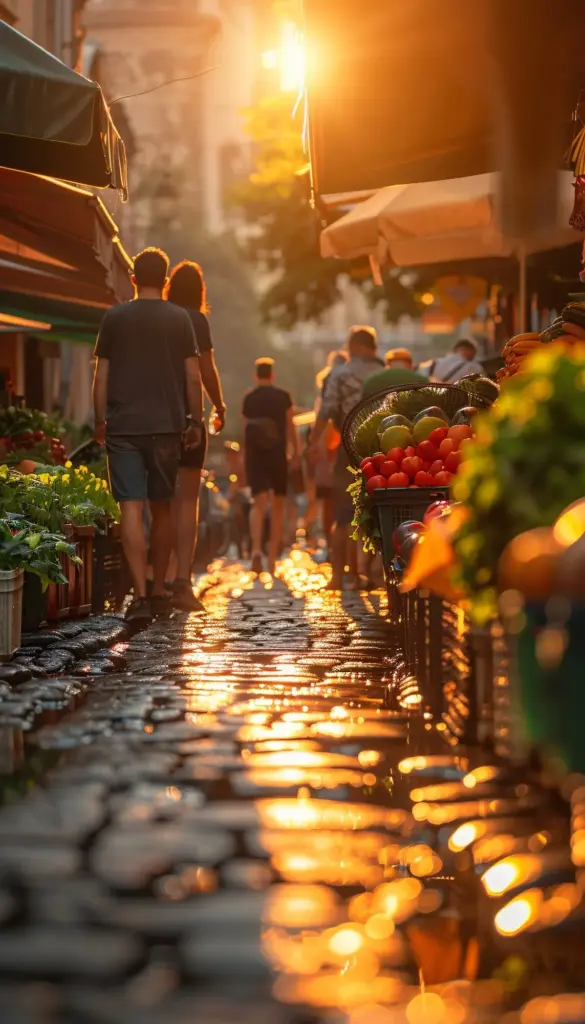
Bologna’s porticoes reveal how architecture can host daily commerce, social life, and protective shade at once. The regular rhythm of columns and vaults offers shelter without sacrificing openness or surveillance. Street performers, bookstores, and cafés cluster beneath, making the shaded edge vibrant at nearly all hours. While climates differ, the transferable lesson is design clarity: dependable protection along desire lines. When modern corridors borrow this continuity—reinforced by trees and awnings—pedestrians gain a low‑stress alternative to exposed, exhausting blocks.